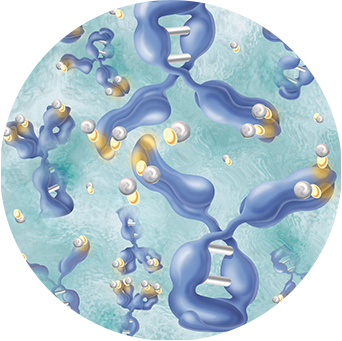
Privigen provides patients with a broad spectrum of opsonizing and neutralizing IgG antibodies against a variety of bacterial and viral agents.
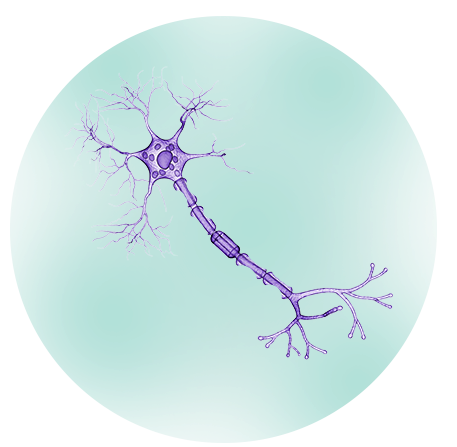
The mechanism of action for IgG therapy in CIDP is complex and not fully understood. However, its function in treating CIDP—an inflammatory neuropathy with an underlying autoimmune basis is believed to be attributed to immunomodulatory effects.3
A more precise mechanism of action regarding just how IgG therapy exerts its immunomodulatory effects is still being explored, but mechanisms that may play a role include3-5:
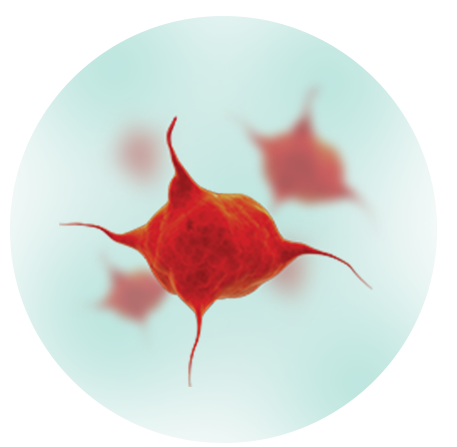
The mechanism of action of IgG in chronic immune thrombocytopenic purpura (ITP) is complex and not fully understood. Further research will be needed to better understand how IVIg works in chronic ITP.1 However, the success of treating chronic ITP with IgG has been attributed to the competitive inhibition of Fc receptors on phagocytic cells.2,3
Continuing research indicates that other mechanisms may also contribute to thrombocytopenia, including1:
References: 1. Simon HU, Späth PJ. IVIG mechanisms of action. Allergy. 2003;58(7):543-552. 2. Maddur MS, Lacroix-Desmazes S, Bayry J, Kaveri SV. Intravenous polyclonal immunoglobulin in autoimmune diseases: clinical indications and mechanisms of action. Drug Discov Today Ther Strateg Autoimmun. 2009;6(1):5-11. 3. Cramer M, Frei R, Sebald A, Maeder M. Stability over 36 months of new liquid 10% polyclonial immunoglobulin product (IgPro10. Privigen®) stabilized with L-proline. Vox Sang. 2009;96(3):219-225.
References: 1. Simon HU, Späth PJ. IVIG mechanisms of action. Allergy. 2003;58(7):543-552. 2. Maddur MS, Lacroix-Desmazes S, Bayry J, Kaveri SV. Intravenous polyclonal immunoglobulin in autoimmune diseases: clinical indications and mechanisms of action. Drug Discov Today Ther Strateg Autoimmun. 2009;6(1):5-11. 3. Imbach P, Lazarus AH, Kühne T. Intravenous immunoglobulin induce potentially synergistic immunomodulations in autoimmune disorders. Vox Sang. 2009;98(3):385-394.
References: 1. Simon HU, Späth PJ. IVIG mechanisms of action. Allergy. 2003;58(7):543-552. 2. Maddur MS, Lacroix-Desmazes S, Bayry J, Kaveri SV. Intravenous polyclonal immunoglobulin in autoimmune diseases: clinical indications and mechanisms of action. Drug Discov Today Ther Strateg Autoimmun. 2009;6(1):5-11. 3. Jacob S, Rajabally Y. Current proposed mechanism of action of intravenous immunoglobulins in inflammatory neuropathies. Curr Neuropharmacol. 2009;7(4):337-342. 4. Querol L, Hartung H, et al. The role of the complement system in chronic inflammatory demyelinating polyneuropathy: implications for complement-targeted therapies. Neurotherapeutics. 2022 April 12;19:864-873. doi: 10.1007/s13311-022-01221-y. 5. Bayry J, Ahmed EA, et al. Intravenous Immunoglobulin: Mechanism of Action in Autoimmune and Inflammatory Conditions. J Allergy Clin Immunol Pract. 2023;11(6):1688-1697.